News / Features / Interviews / New Shows + Transfers / Lyn Gardner
Kate Fahy on Directing Holy Fool: “It Feels Like Such a Necessary Story”
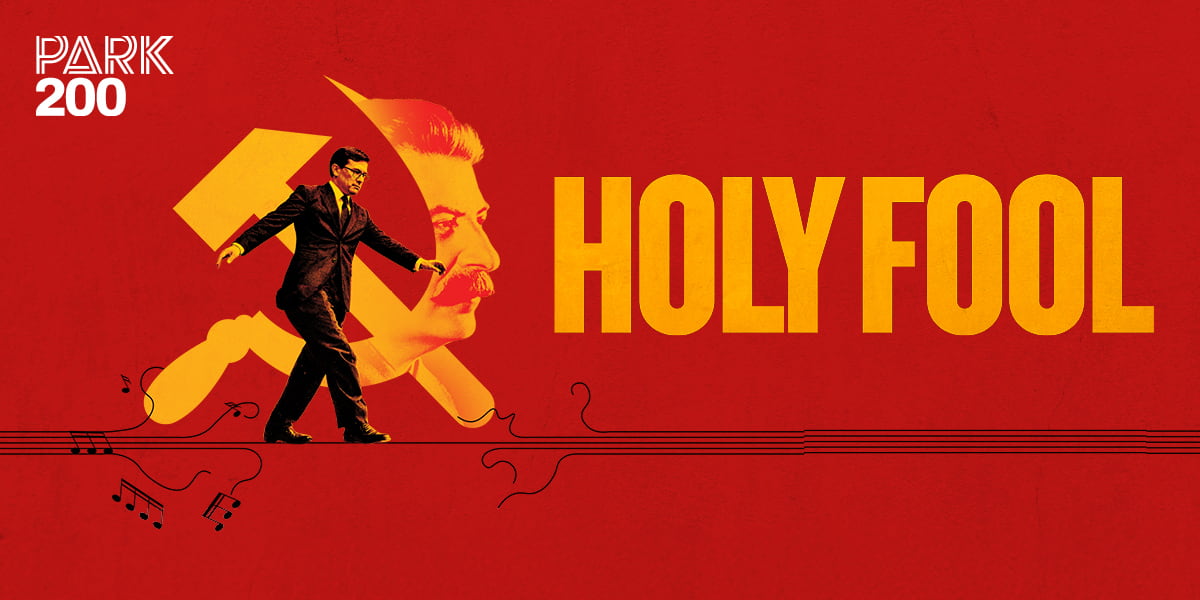
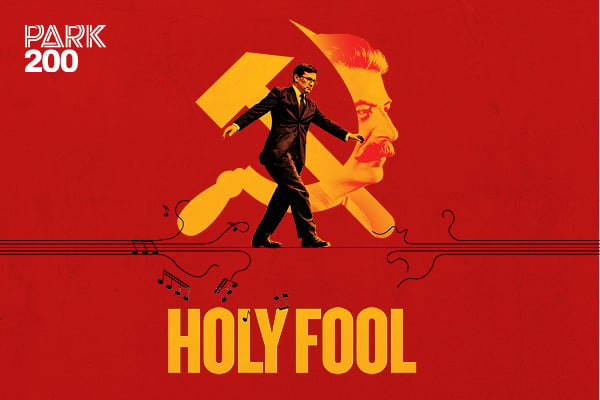
In 1936, in the year in which he began the great purge which sent 600,000 people in the USSR to their deaths, including many artists and intellectuals, Stalin went to the opera. The production was Lady Macbeth of the Mtsensk District, written by the composer Dmitri Shostakovich, who had found international fame after his first symphony premiered in 1926 when he was just 20. Stalin hated what he saw and left before the end. Some accounts of the evening say that when Shostakovich joined the cast on stage for the curtain call, he was trembling. Shortly after an editorial appeared in Pravda denouncing the opera for being formalist, bourgeois and anti-Soviet. The opera quickly disappeared from the schedules. Shostakovich never wrote another new opera. Later this month Holy Fool, a new play by Rosalind Adler and Lea Sellars, opens at the Park Theatre, directed by Kate Fahy. Fahy is best known as an actor (she was in the premiere of The Goat in the West End opposite her husband Jonathan Pryce and most recently was widely praised for her turn as Aunt Belle in the National Theatre revival of Dear Octopus), but she jumped at the chance to direct Holy Fool. It is a play which explores the tightrope walked by Shostakovich for the rest of his life as he found himself caught between his masters and his muse. “I had no hesitation. It feels like such a necessary story at the moment,” says Fahy, suggesting that art and dissidence often go hand in hand. She points to the open letter written by the Maly Theatre’s director, Lev Dodin, an artist who has spent his career navigating Russian censorship and who, in 2022, shortly after Russia’s invasion of Ukraine, called for the immediate end to hostilities. A bold, brave and, some say, reckless move given Putin’s attitudes to dissent in any form. What is the artist to do in the face of repression and suppression? “It’s very easy for me to say, sitting in London, that artists must always tell truth to power,” says Fahy, “but it is a difficult path for an artist to choose. Putting on a play in London about Stalinist repression is not going to be censored or cause anyone to be tortured, but it might elsewhere.” Indeed. Belarus Free Theatre has had to flee its home country after threats, arrests and murders by the regime. Even a democracy such as the USA has seen under Trump what can happen to a venue such as the Kennedy Center if it does not stick to a programme of work approved by the president. But for Shostakovich the threats were far graver and immediate. Fahy says that he only narrowly avoided being tortured because the man who was supposed to do the job was himself arrested.
12 Aug, 2026 | By Lyn Gardner